
What clients with chemical sensitivities, fire concerns, and long-term health in mind deserve to know.
In conversations about healthy buildings, insulation is one of the most misunderstood—and emotionally charged—topics. Clients often ask a deceptively simple question:
“What is the most non-toxic insulation?”
The honest answer is nuanced. There is no insulation material that is non-toxic in every context—manufacture, installation, fire, and end-of-life all matter. But there are materials that come far closer than others, especially for people with chemical sensitivities or those building in fire-prone regions.
This article lays out the reality, without marketing language or shortcuts.

Defining “Non-Toxic” the Way Occupants Mean It
In practice, when clients say non-toxic, they usually mean:
-
No petrochemicals (styrene, urethanes, blowing agents)
-
No off-gassing or odor in normal use
-
No reliance on chemical flame retardants
-
No exposure pathways into the living space
-
Predictable behavior under heat and over time
That definition is stricter—and more human-centered—than most product datasheets.
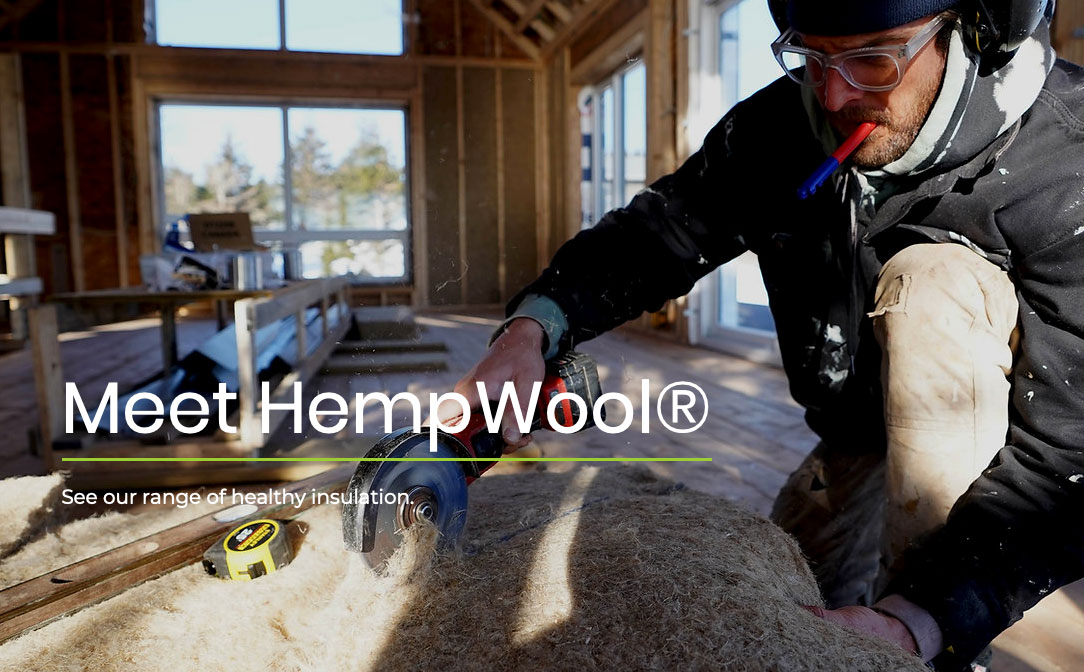
Hemp Insulation: The Gold Standard (In Theory)
Hemp insulation (including hemp fiber batts and hempcrete) is often cited as the truly non-toxic insulation, and for good reason:
-
Plant-based (cellulose + lignin)
-
No styrene, no urethanes
-
No odor in service
-
Hygroscopic (moisture buffering)
-
Fire behavior is charring, not melting or dripping
-
Low embodied carbon
If availability, code approvals, and supply chains were mature everywhere, hemp would likely be the first choice for many healthy-building projects.
The limitation:
In the U.S., hemp insulation is still inconsistently available, unevenly approved, and not yet dependable at scale. For many projects, it remains aspirational rather than practical—for now.
The Best Practical Alternative Today: Mineral Wool
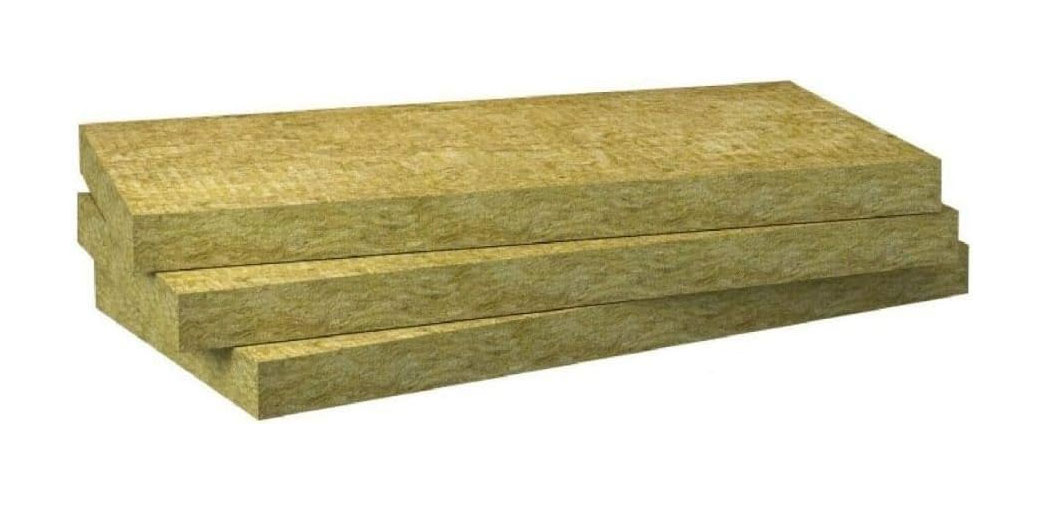
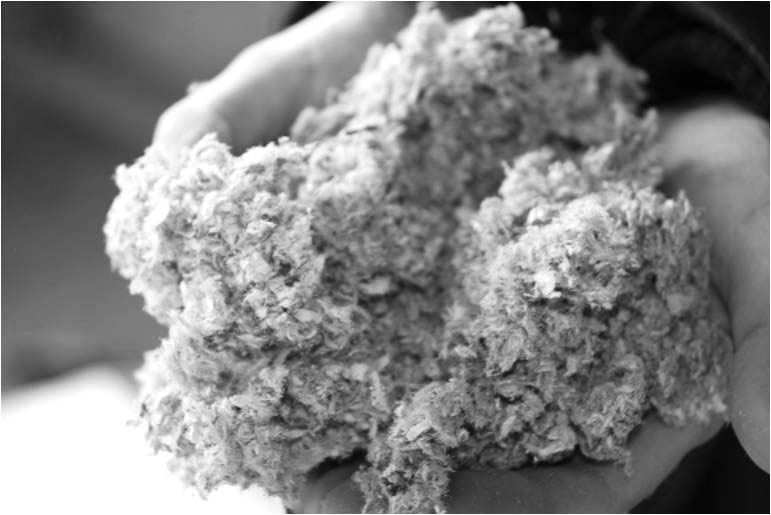
For clients prioritizing health, fire resistance, and long-term stability, mineral wool (rock wool) is currently the most reliable option.
Why it performs so well:
-
Non-combustible (melting point ~2,000°F)
-
No styrene, no urethanes
-
No off-gassing or odor, even when heated
-
Inert once installed
-
Excellent acoustic performance
-
Widely code-approved and available
Mineral wool is not plant-based like hemp, but it avoids the chemical exposure pathways that cause problems for sensitive occupants and performs exceptionally well in wildfire zones.
For many Pangea projects, it represents the best balance between health, safety, and real-world buildability.
Where Foam Fits—and Why Skepticism Is Reasonable
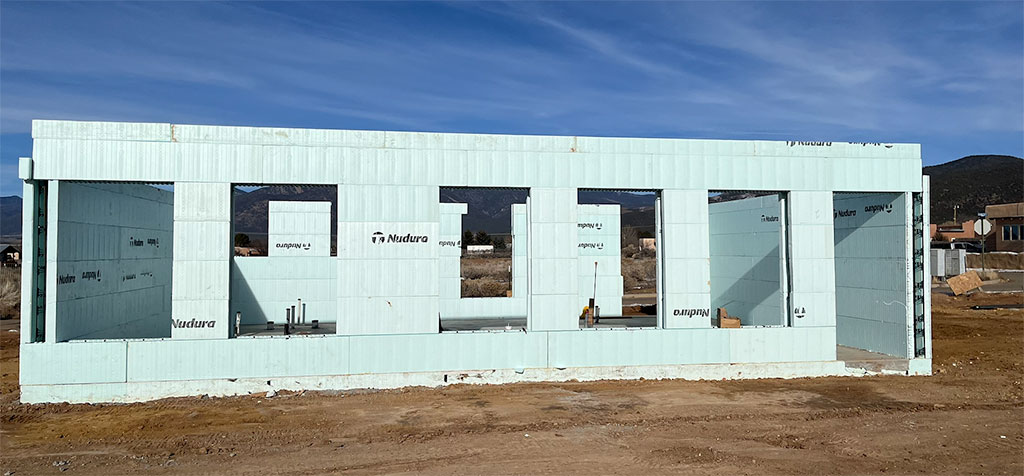
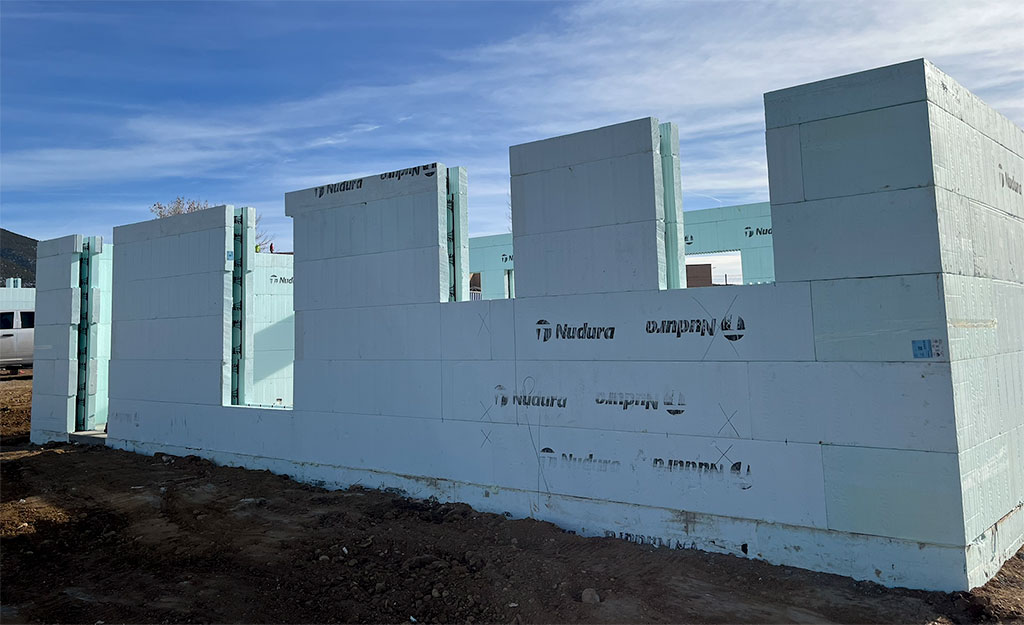
Rigid foams (EPS, XPS, polyiso) and spray foams are ubiquitous in modern construction. They are popular because they are:
-
Inexpensive per R-value
-
Structurally convenient
-
Easy to air-seal with
But convenience is not the same as benign.
All petrochemical foams:
-
Are toxic in a fire event
-
Can off-gas under heat
-
Contain chemistry that some occupants can smell or react to even when “within limits”
For people with chemical sensitivities, lived experience matters more than compliance language. If someone knows they react to foam products, that information should drive design decisions.
At Pangea, foam—if used at all—is treated as a last resort, and only under strict conditions:
-
fully outside the conditioned space
-
fully encapsulated behind non-combustible layers
-
never exposed to interior air
-
never relied on inside living spaces
Spray foam inside the conditioned envelope is avoided whenever possible.
Insulation Is Not a Product—It’s a System
One of the biggest mistakes in construction is treating insulation as a standalone material.
High-performance, healthy buildings rely on:
-
interior thermal mass
-
continuous exterior insulation
-
airtight but vapor-aware assemblies
-
elimination of thermal bridging
-
mineral-based interior finishes
In many climates—especially high desert environments—correct placement and detailing matter more than extreme R-values.
A modest amount of well-placed insulation, paired with thermal mass and good solar design, often outperforms thick but poorly detailed walls.
The Honest Conclusion
If by non-toxic you mean no petrochemicals, no odor, no flame chemistry, no long-term exposure risk:
-
Hemp insulation is the philosophical gold standard—but not yet fully accessible everywhere.
-
Mineral wool is the most stable, fire-safe, and health-conscious option available today.
-
Foam products require caution, transparency, and restraint—and are not appropriate for every client or project.
Healthy buildings start with listening—to building science and to the people who will live inside them.
Our Approach at Pangea
We design from the standpoint of:
-
long-term health
-
resilience
-
fire safety
-
and what people can comfortably live with—not just what meets minimum code
Material choices are never one-size-fits-all. When sensitivities, climate, and risk demand it, we design foam-free assemblies without compromise.
And when better materials (like hemp) become reliably available, we’re ready.


Leave A Comment
You must be logged in to post a comment.